
[vc_row row_type=”row” use_row_as_full_screen_section=”no” type=”full_width” angled_section=”no” text_align=”left” background_image_as_pattern=”without_pattern” css_animation=””][vc_column][vc_column_text]Investigadores de EE.UU. han demostrado que se pueden forget memories on purpose. In one experiment, they showed images of beaches or mountains while asking participants to remember or forget a series of random words. By erasing the words, the brain also erased the context associated with the contemporary images.
The context plays a very important role in our memories, good and bad. The Cranberries Dreams song on the car radio, for example, may remind you of your first love - or your first speeding ticket.
Now, a brain scanning study led by Dartmouth College and Princeton University (USA) shows that people may intentionally forget past experience by changing the way they think about the context of those memories.
That's right friends, memories can be forgotten intentionally.
 The results have several possible applications focused on enhancing desired memories, such as the development of new educational tools, or the reduction of harmful memories, including treatments for post-traumatic stress disorder. The study appears in the journal Psychonomic Bulletin and Review, and is summarized in EurekAlert!
Since ancient Greece, memory theorists have known that we use context – the situation we are in, including sights, sounds, smells, where we are, who we are with – to organize and retrieve our memory. However, the new study team wanted to know if and how people can intentionally forget past experiences.
They designed an experiment of functional magnetic resonance imaging (fMRI) to specifically track thoughts related to memory contexts, and they put a new spin on the classic psychological research technique of having participants memorize and recall a list of unrelated words.
In the new study, researchers showed participants pictures of outdoor scenes, such as forests, mountains, and beaches, while they studied two lists of random words, and they either had to forget or remember the first list before studying the second.
“Our hope was that the images would skew the background, or context, of the thoughts people had while studying the words, to include thoughts related to the scene,” says lead author Jeremy Manning, an assistant professor of psychological and brain sciences at Dartmouth.
"fMRI was used to track how many people were thinking about things related to the scenes at each moment in the experiment. That allowed us to track, moment by moment, how those representations of scenes or contexts entered or faded into people's thoughts as time went by."
An interesting development from my point of view, although personally my capricious brain is already responsible for making me forget randomly, by the way I don't know where I left my memory pills.
What memories 😀
I hope the article has interested you, Traveler, and if you have come this far, can you help us by sharing the content or telling us your experiences in the comments? background_image_as_pattern=”without_pattern” css_animation=”” css=”.vc_custom_1462611979649{background-color: #61a6c7 !important;}”][vc_column][vc_empty_space height=”20px”][vc_column_text]
Don't "forget" to stop by our Shop Geek of original gifts
[/vc_column_text][vc_empty_space height=”20px”][featured_products per_page=”3″ columns=”3″ orderby=”rand” order=””][vc_empty_space height=”20px”][/vc_column][/vc_row]
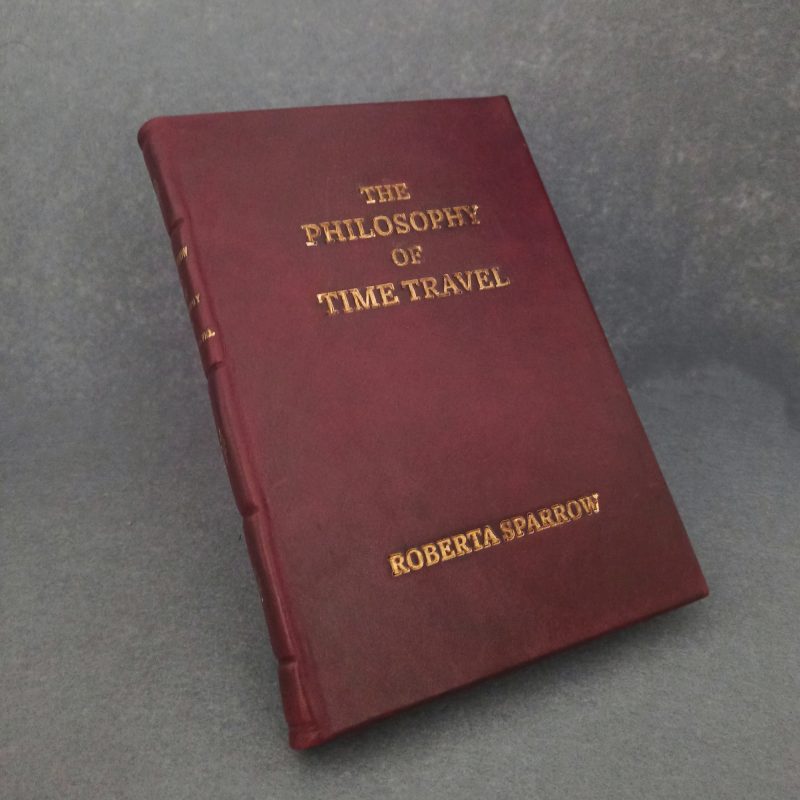
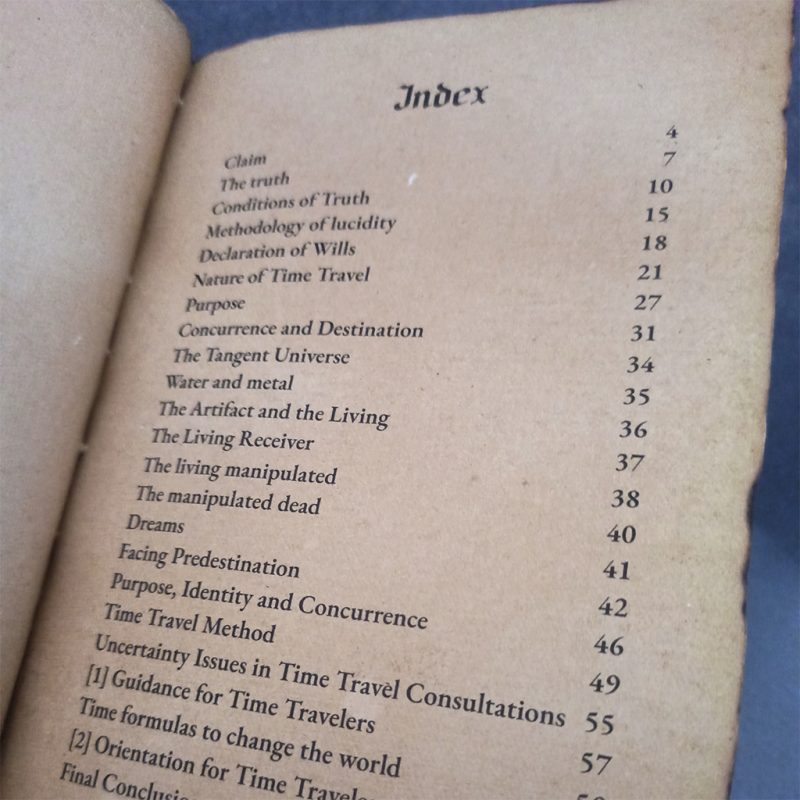
Reading for chrononauts · Limited edition
Philosophy can also cross time
A handmade work that explores the temporary traveler ethics, the concurrence of timelines, destiny and an introspective method to explore one's own history.
- Philosophy and moral standards for time travelers
- Tangent universes, causality, purpose and identity
- Illustrated and handcrafted A5 format
The file, availability and purchase are managed in Verbalus Mater.